In today’s digital-driven world, a strong IT infrastructure is the backbone of any successful business. It ensures efficient operations, enhances security, and supports growth by providing scalable and reliable technology solutions. Whether you’re a startup or an established enterprise, investing in a well-structured IT infrastructure is essential for long-term success.
What is IT Infrastructure?
IT infrastructure refers to the combined set of hardware, software, networks, and services that support an organization’s technology environment. This includes servers, cloud solutions, data centers, cybersecurity measures, and communication tools.
Key Benefits of a Strong IT Infrastructure
1. Enhanced Productivity and Efficiency
A well-optimized IT infrastructure ensures seamless communication, streamlined workflows, and automated processes, reducing downtime and improving overall efficiency.
2. Scalability and Flexibility
Businesses grow, and so should their technology. A scalable IT infrastructure allows organizations to expand operations without major disruptions or costly overhauls.
3. Strengthened Cybersecurity
Robust IT infrastructure includes security measures such as firewalls, encryption, and endpoint protection to safeguard data from cyber threats.
4. Improved Business Continuity and Disaster Recovery
With reliable backup systems and disaster recovery plans, businesses can minimize downtime and data loss in case of system failures or cyber incidents.
5. Cost-Effectiveness
An optimized IT infrastructure reduces operational costs by enhancing system efficiency, automating processes, and minimizing the need for constant manual intervention.
Key Components of IT Infrastructure
- Hardware: Servers, computers, storage devices, and networking equipment.
- Software: Business applications, operating systems, and security programs.
- Cloud Computing: Scalable cloud solutions for data storage and remote collaboration.
- Network Infrastructure: Wired and wireless networking solutions for seamless connectivity.
- Cybersecurity: Threat detection, encryption, and firewall protections.
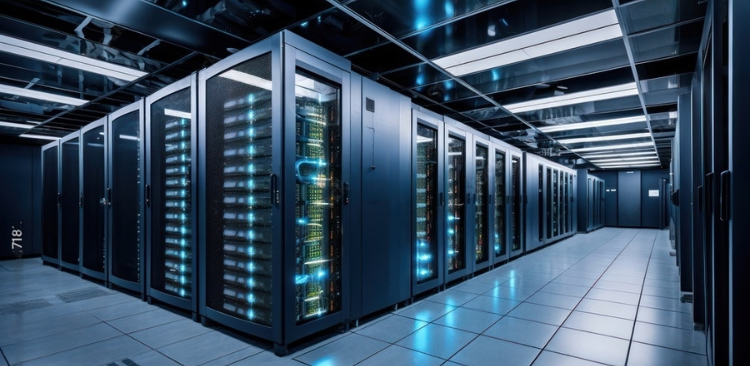
- Data Centers: Secure locations for managing and storing business-critical data.
Industries That Rely on Strong IT Infrastructure
- Finance & Banking: Secure transaction processing and fraud prevention.
- Healthcare: Digital patient records and telemedicine services.
- Retail & E-commerce: Efficient supply chain management and secure payment processing.
- Education: E-learning platforms and student data security.
- Manufacturing: Automated production lines and smart inventory management.
Best Practices for Optimizing IT Infrastructure
- Regular System Updates: Keep hardware and software up to date to prevent vulnerabilities.
- Cloud Integration: Utilize cloud services for flexibility and cost savings.
- Cybersecurity Measures: Implement multi-layered security protocols.
- Data Backup and Recovery: Establish robust backup and disaster recovery strategies.
- Monitoring and Maintenance: Continuously monitor performance to detect and resolve issues proactively.
The Future of IT Infrastructure
With the rise of artificial intelligence, edge computing, and 5G technology, IT infrastructure is evolving to become faster, more secure, and highly adaptive. Businesses must stay ahead by integrating emerging technologies to enhance efficiency and competitiveness.
Conclusion
A well-structured IT infrastructure is essential for seamless business operations, security, and scalability. Investing in modern technology solutions ensures long-term success, cost savings, and a competitive edge in the market.
Need a tailored IT infrastructure solution for your business? Contact us today and take your operations to the next level!